
次世代の患者後送
My name's Captain Niemela, and I'm a Blackhawk pilot.
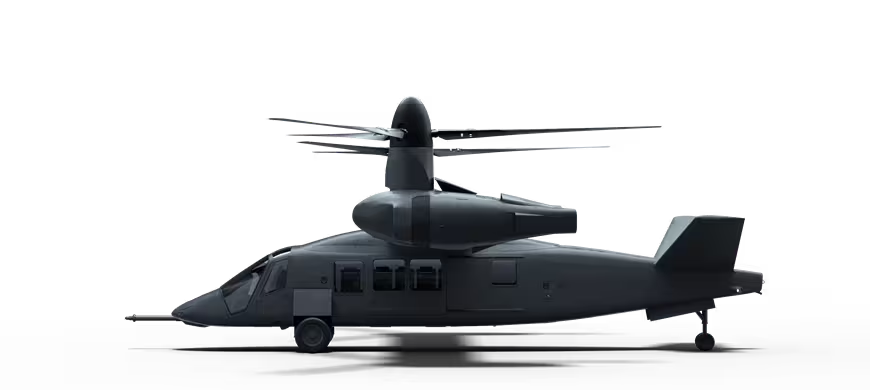
I have a medevac background. Specifically to medevac, you're looking at more patients. So if you have a mass casualty area, previously, it might take two Blackhawks to pick up that load that you could do in one with the MV-75.
The golden hour is a standard hour from us receiving the nine-line because of an injury on the battlefield to getting that soldier that's injured to a high level of care. So looking forward to the MV-75.
Of the medevac community, it's especially of interest because we can hit those time hacks with an airplane that can meet those capabilities. So that's looking like more casualties we can pick up and bring them further past the forward line of troops back to higher levels of care.
Typically, when we're deployed, you meet with the ground force, and you give them a capability brief, and what they want to know is how many patients can you take, how fast can you get there, and how far can you go?
The MV-75 improves all three of those things.
So when I'm talking to the ground force and I'm telling them, “Hey, I can take six of your guys,” that's instrumental.
Any time that you can save, you're potentially saving a life. And that sounds dramatic, but it's not. If blood loss happens quickly, especially with some of the injuries we see downrange, that means life or death for some soldiers.
I'd say the biggest thing for the American public is knowing that your tax dollars are being used for something that's productive to America's defense and protecting soldiers. It genuinely could mean the difference between life or death, depending on where we're operating and getting those soldiers back to a higher level of care so they can receive treatment.
Bellのインサイトをお届け
未発表のBellの最新情報、ビデオ、航空機のニュースをいち早くお届けします。垂直離着陸機の未来をぜひ共有してください。